












How is Risk Analysis Conducted for Hospital Infections?
Hospital infections (nosocomial infections) are one of the most significant problems threatening the health of patients, staff and visitors in healthcare settings. Preventing these infections requires not only proper disinfection practices but also an effective risk analysis process.
In this article, we will discuss how the risk analysis process for hospital infections should be structured, which parameters should be evaluated, and how the analysis results should be integrated into infection control strategies.
The Purpose of Risk Analysis in Hospital Infections
Risk analysis is a systematic process carried out in healthcare facilities to determine the likelihood of infection and the potential level of harm to affected individuals.
The fundamental aim is to develop applicable strategies to identify, prioritise, and reduce risks.
This process is also among the requirements of the Ministry of Health Infection Control Regulation, the ISO 9001 Quality Management System, and the ISO 13485 Medical Device Quality Management standard.
Key Stages of the Risk Analysis Process
1. Hazard Identification
The first step is to identify factors that pose a risk in terms of hospital infections.
These include:
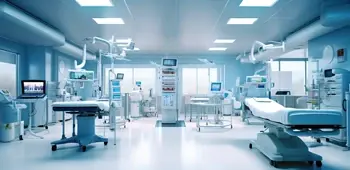
- High-risk areas: Intensive care units, operating theatres, neonatal units
- Critical equipment: Endoscopes, ventilators, surgical instruments
- Staff practices: Hand hygiene compliance, use of protective equipment
- Environmental factors: Cleaning and disinfection frequency, air quality, water systems
each of which is evaluated as a separate analysis parameter.
2. Risk Assessment
At this stage, for each hazard:
- Probability of occurrence (P)
- Severity of harm (S)
- Exposure frequency (E)
is assigned a risk score.
A numerical risk value is often calculated using the formula R = P x S x E.
These analyses are usually performed by the Infection Control Committee when preparing the annual infection control plan.
3. Risk prioritisation
Areas are classified as high, medium, and low risk based on the obtained risk scores.
For example:
- Operating theatres and intensive care units → High risk
- Outpatient clinics → Medium risk
- Administrative offices → Low risk
This prioritisation provides guidance for planning disinfection frequency, product selection, and staff training.
Risk Reduction Strategies
Following a risk analysis, practical strategies are identified to minimise the risk of infection.
These strategies can be addressed under three main headings:
1. Hand Hygiene and Antisepsis
Over 70% of hospital infections are transmitted via the hands.
Therefore:
- Alcohol-based hand antiseptics,
- Products containing chlorhexidine gluconate or povidone-iodine,
- Skin-compatible, fast-acting formulations
should be integrated into daily use.
2. Surface and Device Disinfection
Surface disinfection plays a critical role in risk analysis.
This is because microorganisms can remain viable on hospital surfaces for hours or even days.
Therefore, the following characteristics should be sought in the disinfectants to be used:
- Broad-spectrum microbial effect (bacteria, viruses, fungi, spores)
- Short contact time
- Material compatibility
- Residue-free property
For example, hydrogen peroxide-based products (e.g. Detro SAN HP) offer high efficacy and a material-friendly structure in this regard.
3. Training and Monitoring
Staff compliance with hygiene rules directly impacts the success of risk analysis.
Therefore:
- Periodic training
- Monitoring hand hygiene compliance using observation forms
- Surface control using ATP bioluminescence tests
- Microbiological swab analyses
should be carried out regularly.
Reporting of Risk Analysis Results and Improvement
Risk analysis results should be recorded for Infection Control Committee Reports, Quality Management System documents, and Ministry of Health inspections.
Analysis results:
- In setting annual targets,
- Product and equipment selection,
- Revision of cleaning protocols
should be actively utilised.
With a continuous improvement (PDCA cycle) approach, risk analysis becomes not just an audit requirement, but a dynamic part of infection control.
Frequently Asked Questions (FAQ)
1. How often should hospital infection risk analysis be conducted?
At least once a year, but additional analyses should be performed in the event of new unit openings, equipment changes, or outbreaks.
2. Is specialised software required for risk analysis?
Some hospitals use risk analysis modules integrated into their quality management systems, but Excel-based forms may also be sufficient.
3. How does disinfectant selection play a role in risk analysis?
The spectrum of action, material compatibility, and duration of effect of disinfectants directly affect the risk score. Incorrect product selection can lead to uncontrollable risks.
4. What is the most common mistake in hygiene risk analysis?
Typically, a lack of standardisation in practice and the subjective nature of observation-based risk scoring are prominent. Therefore, measurable indicators should be preferred.
In conclusion, risk analysis in hospital infections is not only a quality requirement but also a critical process in terms of patient safety, staff health, and institutional reputation.
Effective analysis, proper disinfectant selection, and continuous monitoring can achieve a sustained reduction in infection rates.